Bag format is not approved
Handles, gussets, seals, rolls, perforations and closures need to match the actual use.

Format, claims and brand execution
Select bag construction, material option, printing and packing alongside the exact evidence and destination-market wording required for the ordered SKU.
Compostability language must stay within the referenced standard, certificate holder, product code and validated construction. A generic material statement is not enough.
Buyer risk
Construction, end-of-life wording and evidence are interdependent. Changing film, thickness, adhesive or another component can change what is supportable.

Handles, gussets, seals, rolls, perforations and closures need to match the actual use.
“Biodegradable” and “compostable” are not interchangeable and local collection rules differ.
Ink, adhesive, drawstrings and other components may need review within the complete product claim.
Supporting documents chain
Qualification is strongest when each step can be checked against a controlled record.
Waste, retail, produce, takeaway, sealing or pet-waste workflow
Dimensions, film, thickness, seal, closure and secondary components
Referenced standard, certificate holder, product code and validity
Approved marks, wording, language and disposal instructions
Specification, inspection, declarations and export documents
Recommended routes
Each product page defines the physical decisions that must be sampled before branding or commercial approval.
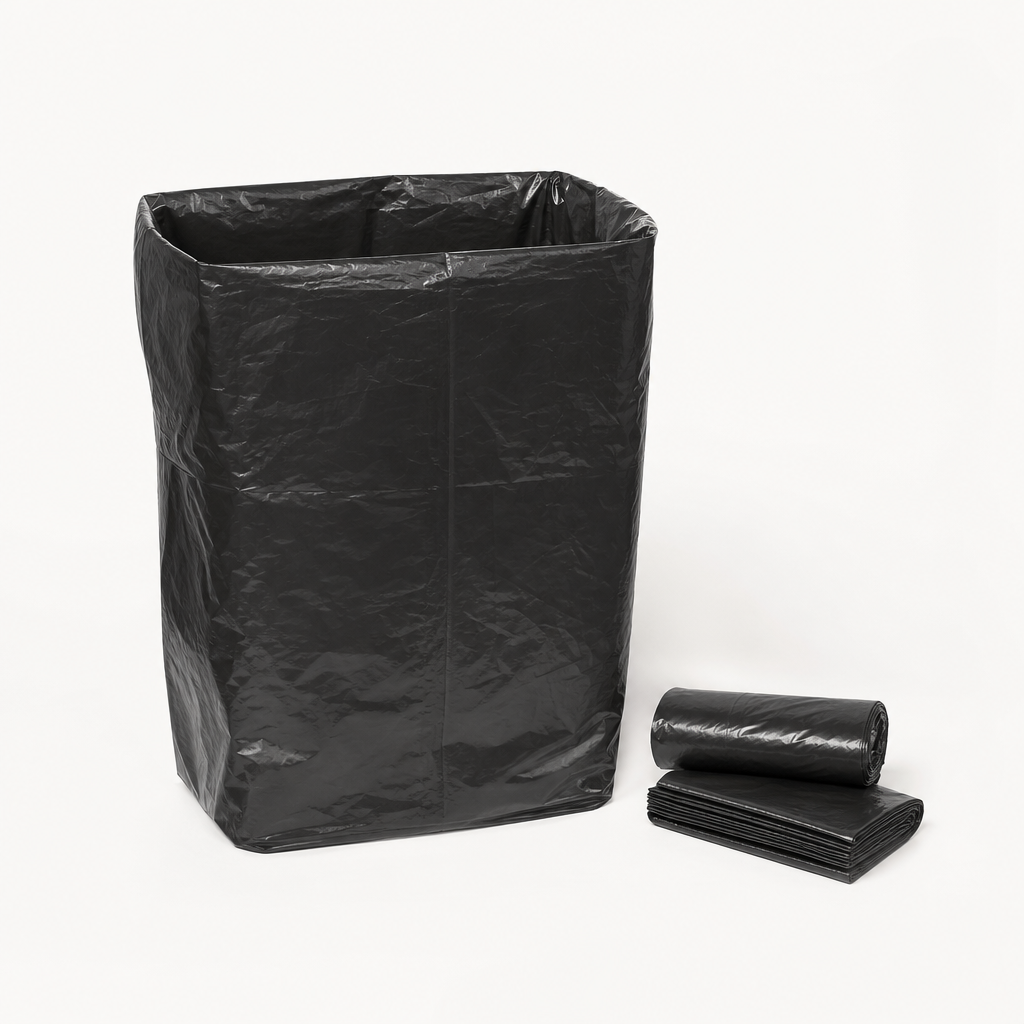
Liner and roll programs defined by bin fit, seal, closure, perforation and waste route.
Review product details
Handled retail formats requiring filled-carry tests, print approval and controlled claims.
Review product details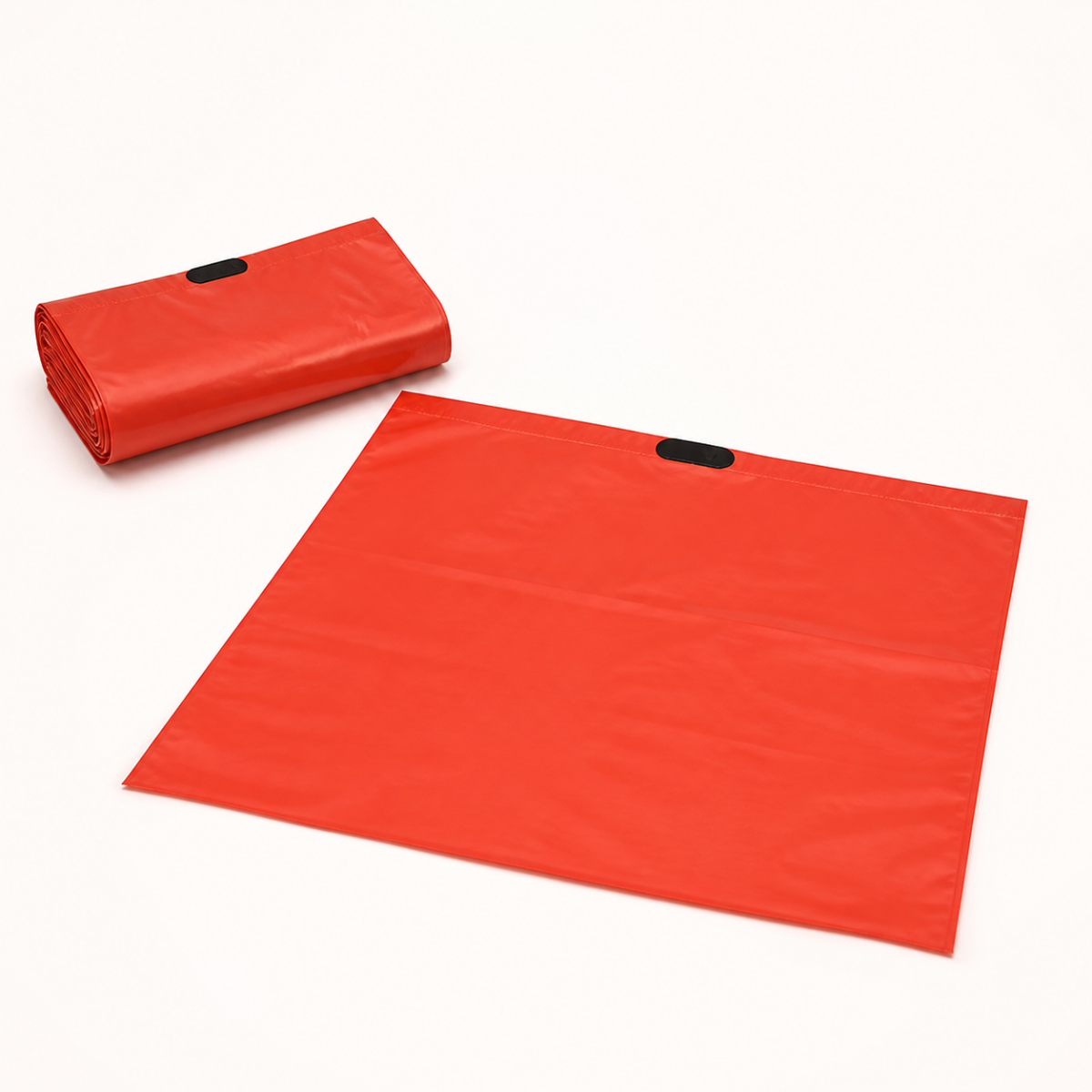
Produce or grocery formats where opening, filling and closure behavior must be sampled together.
Review product details
Purpose-shaped carriers developed around the target cup geometry and handoff workflow.
Review product details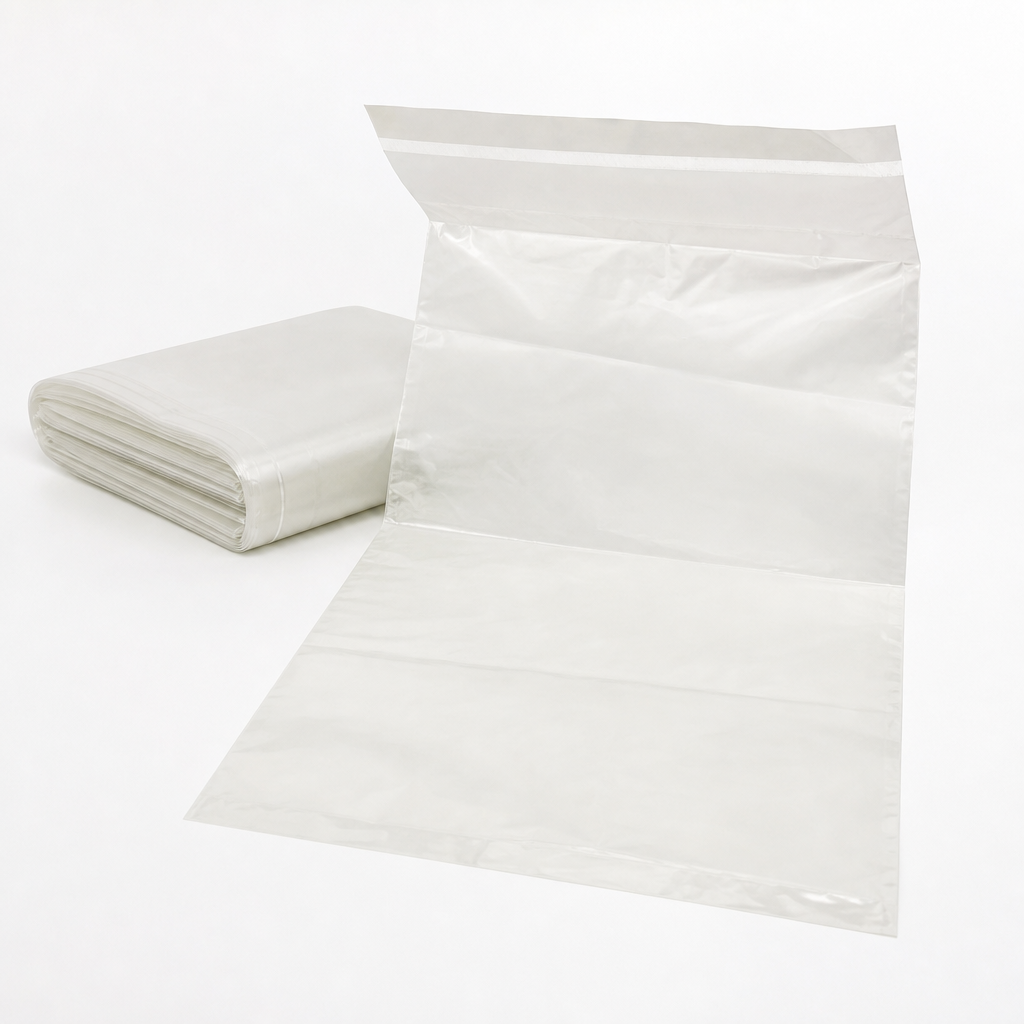
Film-and-closure systems requiring flap, peel, sealing and component-scope review.
Review product details
Roll programs where perforation, opening, dispenser fit and retail packing drive usability.
Review product detailsSelection table
Use one written basis for samples, quotations and internal review.
| Decision | Approval input | Control point |
|---|---|---|
| Bag format | Use action, dimensions, gusset, handle, roll or closure | Validate the physical workflow on a sample |
| Material | Formulation and thickness basis | Tie the ordered construction to applicable evidence |
| Printing | Artwork, colors, marks and disposal wording | Keep claim language inside the approved scope |
| Packing | Fold, roll, inner pack, retail box and carton | Test dispensing and logistics presentation |
| Destination | Market, buyer standard and disposal context | Prepare the relevant evidence and export file |
Approval workflow
A controlled sequence reduces artwork rework, evidence gaps and repeat-order drift.
Define what the bag carries, contains, seals or collects.
Choose the construction and material option before artwork is finalized.
Check the proposed SKU and wording against applicable documents.
Test the actual use and approve the printed presentation.
Release only the controlled specification, files and inspection plan.
Buyer questions
The exact answer still depends on the SKU, destination and approved commercial brief.
No. Certificate holder, product code, material, thickness range, components and validity must be checked against the ordered SKU.
Yes. Printing can be developed after the bag construction and supportable environmental wording are agreed.
No. Closures, adhesives, inks or other components may require review. The finished construction should not be inferred from the base film alone.
Test dimensions, opening, carrying or sealing action, load or contents, perforation if used, print proof and pack presentation.
Decision library
Continue with the guide or program that matches the next unresolved question.
We use necessary cookies to operate this site and optional cookies to improve your experience.