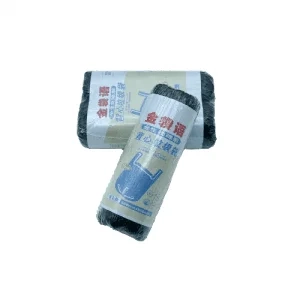
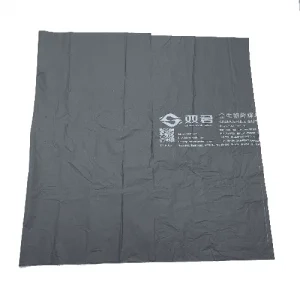
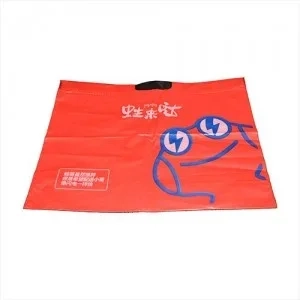
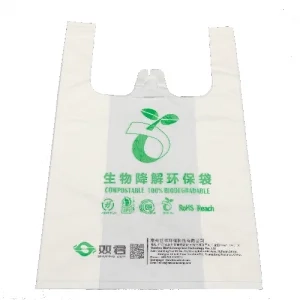
Buyers sourcing compostable shopping bags for retail serve grocery chains, supermarket checkout programs, eco retail private labels, and B2B green retail distribution. These buyers face a dual evaluation: they must verify both supplier credentials and the technical claims printed on the bag itself.
Are compostable bags really compostable? In B2B sourcing, “compostable” and “biodegradable” describe different verified properties. Compostable certification (issued by bodies such as DIN CERTCO, SEEDLING, or BPI) and biodegradable laboratory test reports are two distinct verification paths.
Worldchamp’s bag products are verified by a CNAS-accredited third-party biodegradable inspection report. This is Biodegradable Plastic Bag Inspection Report No. WT20103211073930WT1, issued by Shenzhen Academy of Metrology & Quality Inspection (a CNAS-accredited and CMA-certified laboratory, No. 20211900 1492).
Biodegradable vs. compostable bags for retail labeling: Bags verified by a biodegradable inspection report can claim “biodegradable” based on test results. Compostable certification (DIN CERTCO, SEEDLING, BPI) is required to print “compostable” with certification logos — and at Worldchamp these apply to glove products, not bags.
Are compostable bags recyclable? Standard biodegradable and compostable bags are generally not recyclable in conventional plastic recycling streams. Their value is in end-of-life biodegradation, not mechanical recycling.
For B2B retail buyers, the sourcing decision centers on three points:
- Obtaining the CNAS-accredited biodegradable test report for eco labeling substantiation
- Confirming bag material, handle type, size range, and weight for retail format
- Arranging OEM packaging with the retailer’s brand and eco-label design