Compostable Shopping Bags and the 2026 Plastic Ban: Buyer Guide
2026 Plastic Bag Bans: The Short Answer for Buyers
From January 1, 2026, California bans all plastic film carryout bags at checkout, including the thicker "reusable" film bags that earlier rules still allowed. The EU Packaging and Packaging Waste Regulation (PPWR) moves the same direction, pushing reuse and recyclability across the bloc. For retailers and brand buyers, the practical question is no longer whether to switch. It is which bag still counts as compliant, and how to prove it.
Compostable shopping bags are a real option, but only in defined lanes. In California they qualify as pre-checkout produce bags, not as checkout carryout bags. In the EU, compostable film has a narrower approved role tied to specific waste streams. Buying the wrong grade, or buying a "compostable" bag with no verifiable paperwork, is now a compliance and recall risk, not just a marketing one.
Worldchamp has manufactured disposable plastic and compostable film products since 1997. Its 12,000 m² facility in Huizhou, China holds BRCGS Consumer Products Certificate No. CN-BRCCP-251634 and ISO 9001 Certificate No. 77067/A/0001/UK/En. Compostable bag lines carry a third-party biodegradable test report (No. WT20103211073930WT1) from a CNAS-accredited laboratory, with a running capacity of 350 tons/month.
2026 Plastic Bag Bans: What Actually Changed
Two regulations frame the 2026 shift. They use different tools, but both reduce the role of single-use plastic film at retail.
California SB 1053: No Plastic Film at Checkout
California Senate Bill 1053 took effect January 1, 2026. Under it, stores may not give customers any carryout bag at the point of sale that is not a recycled paper bag. That closes the loophole from the older SB 270 rules, which let stores hand out thicker "reusable" plastic film bags for a fee. The CalRecycle bag requirements page is the state authority on scope and enforcement.
Key points buyers must internalize:
- All plastic film carryout bags are banned at checkout, including thick reusable film that was legal before.
- Recycled paper bags are the only checkout carryout option, sold at a minimum charge of $0.10 each.
- From January 1, 2028, recycled paper bags must contain at least 50% postconsumer recycled content.
- Enforcement sits with cities, counties, and the Attorney General, not CalRecycle directly.
A separate law, SB 1046, governs pre-checkout bags (the produce, bulk, and meat bags used before the point of sale). There, compostable bags that meet the statutory standard are an allowed option. This split between checkout and pre-checkout is where most buyer confusion lives.
EU PPWR: Reuse and Recyclability by 2030
The EU PPWR sets packaging reuse and recyclability targets that phase in toward 2030. It does not ban compostable film outright. Instead it favors reusable packaging formats and recyclable mono-material structures, and allows compostable packaging only where it supports a defined organic waste stream. Buyers shipping to the EU should treat compostable film as a scoped material, not a universal substitute for plastic.
For background on what "biodegradable" and "compostable" mean at the polymer level, Wikipedia, Biodegradable polymer is a stable primer. The compliance lane, however, is set by the destination market's law, not by the material definition.
Which Bags Are Banned (and Which Still Qualify)
The fastest way to source correctly is to sort bag types by their legal status. The table below maps the common formats against the 2026 California rules. It is the gap most SERP guides leave out, because most stop at "plastic is banned" without separating checkout from pre-checkout.
| Bag format | At checkout (post-sale) | Pre-checkout (produce, bulk) |
|---|---|---|
| Thin plastic film grocery bag | Banned | Banned |
| Thick "reusable" plastic film bag | Banned (the 2026 change) | Not an allowed option |
| Compostable plastic film bag (compliant grade) | Not allowed | Allowed if it meets the statutory standard |
| Recycled paper bag | Allowed ($0.10 min, 50% PCR by 2028) | Allowed |
The Thick PE Myth Buyers Still Believe
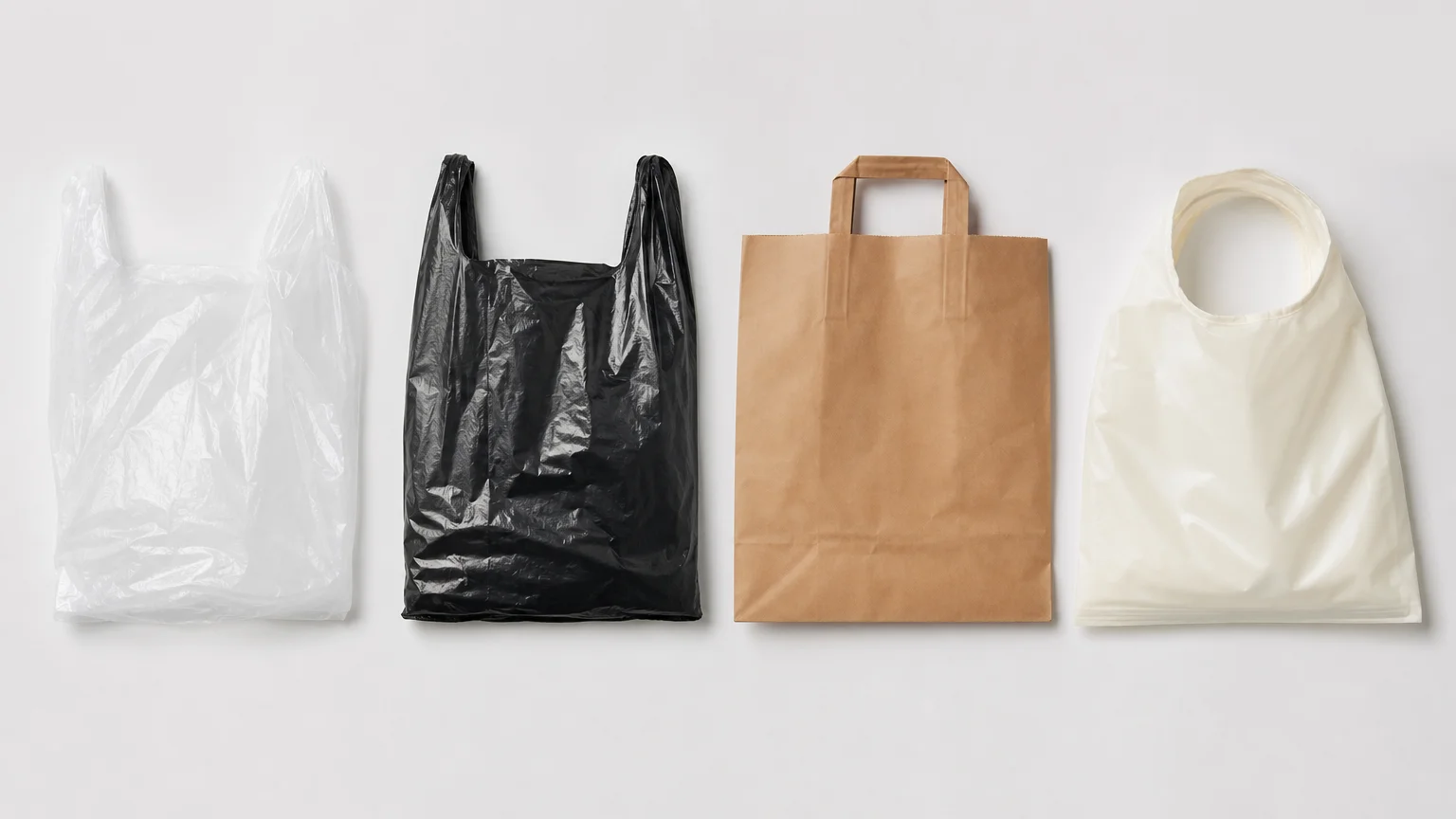
The single most common sourcing mistake in 2026 is assuming that a thicker polyethylene bag escapes the ban. Under SB 270, that was sometimes true: a bag meeting a minimum thickness could count as "reusable" and stay in circulation. SB 1053 removes that thickness carve-out entirely. A 2.5 mil PE film bag is just as banned at checkout as a 0.5 mil one.
For buyers who spent years specifying thick PE as their compliant "reusable" line, this is the correction that matters most. Thickness is no longer a compliance lever in California checkout. The same logic applies wherever EU PPWR-style reuse rules push formats toward true reuse systems rather than thick single-use film dressed up as reusable. The compostable shopping bags collection and the compostable garbage bags collection cover the grades that fit the pre-checkout lane.
Do Compostable Bags Qualify Under the 2026 Rules?
The honest answer is: it depends on the bag's role and on its paperwork. A compostable shopping bag is not a universal replacement for banned plastic film. It is a scoped material that qualifies in specific lanes.
In California: Pre-Checkout Yes, Checkout No
Under SB 1046, a compliant compostable bag is an allowed pre-checkout bag for unwrapped foods and damage protection. Under SB 1053, that same bag is not an allowed checkout carryout bag. So a retailer can use compostable produce bags in the produce aisle, but cannot hand a compostable shopping bag at the register as the carryout bag.
This split is why buyers must spec two separate bag programs, not one. Conflating them is the compliance error that triggers local enforcement complaints.
In the EU: Scoped to Organic Waste Streams
Under PPWR, compostable film is permitted where it supports an organic waste stream that actually composts it. The relevant certification marks are BPI for North America and DIN CERTCO (with the EN 13432 standard behind it) for Europe. A bag sold as compostable without one of these marks, or without a supporting test report, does not meet the documentation bar a buyer should require.
Worldchamp's compostable glove line carries DIN CERTCO (No. 9G0275), SEEDLING (No. 7P1218), and BPI (No. 10529018-3) marks. The compostable bag line is different: it is backed by a third-party biodegradable test report (No. WT20103211073930WT1) rather than a product certification mark. This is a critical distinction for bag buyers. See are compostable bags really compostable and DIN CERTCO vs BPI compostable certification for how to read the difference between a test report and a certificate.
How to Verify Compliant Compostable Sourcing
Verifying a compostable bag is not about trusting a logo on a quote. It is about matching the documentation to the destination market and the bag's intended role. Use the checklist below before you place an order.
1. Match the Mark to the Destination Market
Shipping to North America? Require BPI. Shipping to the EU? Require DIN CERTCO or an EN 13432-backed mark. A supplier offering only a generic "biodegradable" claim, with no market-specific mark, is not a compliant source for either.
2. Distinguish a Test Report From a Certificate
A third-party biodegradable test report shows a lab tested the material. A certification mark shows a certification body registered the product against a standard. Both matter, but they are not interchangeable. For bags, ask which one the supplier actually holds, and request the document number.
3. Confirm the Document Covers Bags, Not Just Gloves
Compostable certification scope is product-specific. A DIN CERTCO or BPI mark registered for gloves does not cover bags. Always match the certificate's product type to the exact item you are buying.
4. Check the Document Is Live and Traceable
Ask for the certificate or report number and verify it against the issuing body's database where one exists. Check the expiry date. A lapsed or scope-mismatched document is the most common gap buyers miss in audits.
5. Tie the Bag to the Disposal Route
A compostable bag only delivers its environmental claim if the end user has access to the right composting infrastructure. Most California jurisdictions do not accept compostable plastic film in organic waste bins. Plan your disposal guidance and labeling accordingly, or the compliant bag becomes landfill waste in practice.
Worldchamp Manufacturing Context for Bag Buyers
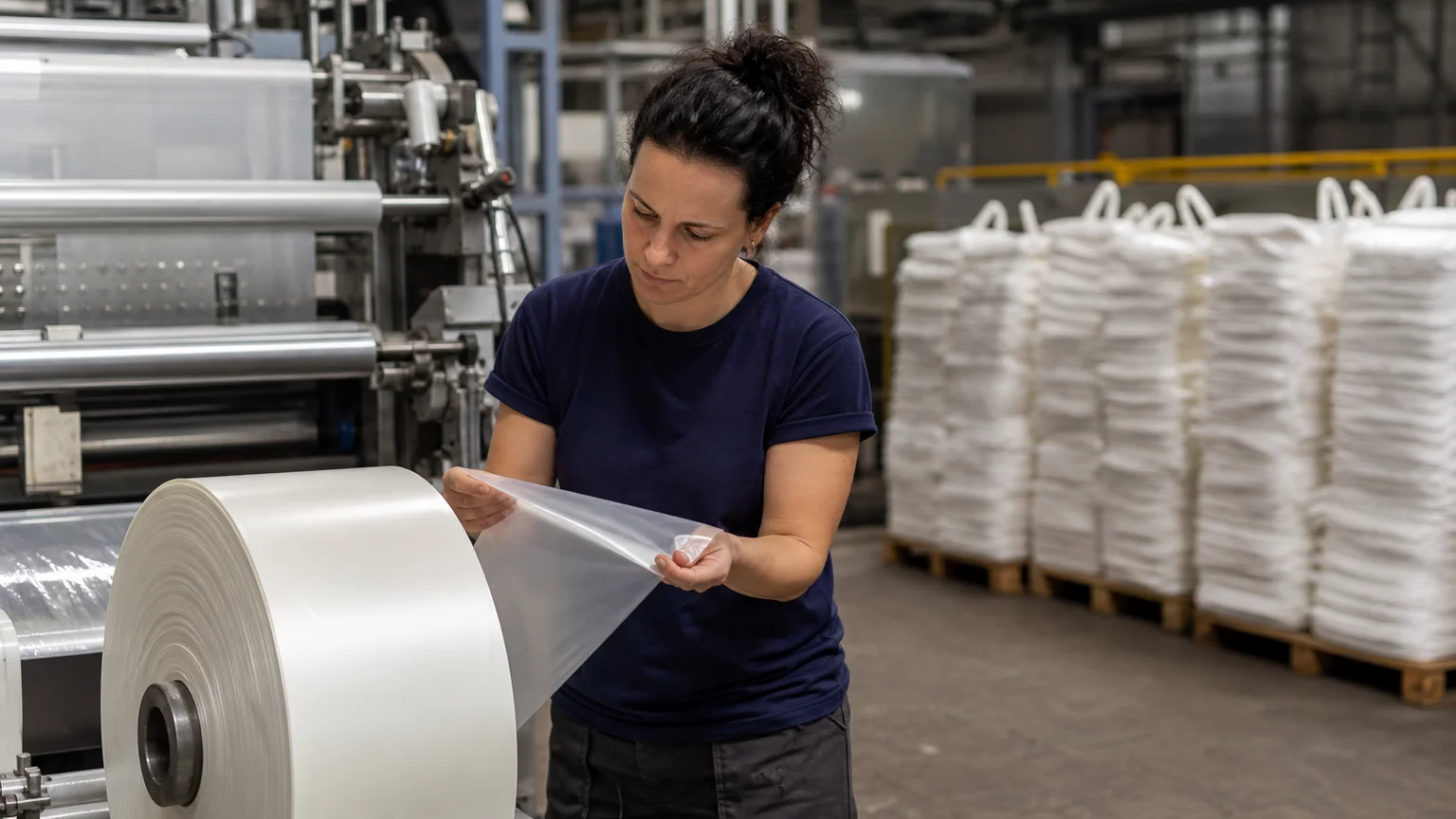
For buyers qualifying a compostable bag supplier, the production footprint matters as much as the paperwork. Worldchamp runs a 12,000 m² facility with a Class 100,000 clean workshop and automated film lines, turning out 350 tons per month across disposable glove, protective wear, and compostable bag programs.
Orders start at a $3,000 MOQ with small-batch reorder support. Samples ship in about 7 days, and bulk lead time runs 20–30 days after deposit. The compostable bag line carries the third-party biodegradable test report (No. WT20103211073930WT1) from a CNAS-accredited laboratory, and the facility holds BRCGS Consumer Products and ISO 9001 certification. OEM and private-label programs are available for retail buyers building a branded compliant line. Explore the compostable shopping bags and eco-friendly applications for the relevant formats.
Next Steps for Procurement
Use this four-step path to move from confusion to a compliant, documented bag program.
- Sort your bag roles first. Separate checkout carryout (recycled paper only in California) from pre-checkout produce bags (compostable film allowed), so you spec two programs, not one.
- Match the mark to the market. Require BPI for North America and DIN CERTCO or EN 13432 for the EU, and request the document number for every order.
- Verify the document covers bags. Confirm the certificate or test report names bags specifically, is live, and is not lapsed or scope-mismatched.
- Request samples and a document pack. Order a sample to confirm hand feel and strength, and collect the compliance file before you commit to bulk. Contact Worldchamp to start a sample and document request.
Sourcing Compostable Bags for a 2026 Ban Market?
Tell us your destination market, bag role (checkout vs pre-checkout), and required certification mark. We will match the compostable film grade, send a sample, and quote with the test report and compliance documents attached.
Frequently Asked Questions
Are compostable shopping bags banned in California in 2026?
Compostable plastic film bags are banned as checkout carryout bags under SB 1053. Only recycled paper bags are allowed at the point of sale. However, compliant compostable bags are still allowed as pre-checkout bags for produce, bulk, and similar items under SB 1046. So the bag is not banned outright; its allowed role is narrower than many buyers assume.
Are thick reusable plastic bags still allowed in California?
No. SB 1053 removed the thickness carve-out from the older SB 270 rules. A thicker "reusable" polyethylene film bag is banned at checkout just like a thin one. Thickness is no longer a compliance lever for checkout carryout bags.
Does a compostable bag count as compliant if it has no certificate?
Not for a buyer who needs documentation. A compliant compostable bag should carry a recognized mark (BPI for North America, DIN CERTCO or EN 13432 for the EU) or a third-party biodegradable test report with a document number. A bare "biodegradable" claim with no paperwork does not meet the verification bar.
What is the difference between a compostable certificate and a test report?
A certificate is a registered mark from a certification body against a named standard. A test report is a lab result showing the material was tested. Both are valid documentation layers, but they are not interchangeable. Buyers should ask which one a supplier holds and request the document number.
What MOQ and lead time should I plan for compostable bags from Worldchamp?
Worldchamp's compostable bag orders start at a $3,000 MOQ with small-batch reorder support. Samples ship in about 7 days, and bulk lead time runs 20–30 days after deposit, from a 350-ton-per-month production base.