Are Compostable Bags Really Compostable? The Short Answer
Yes, compostable bags really do break down into compost, but only under the right conditions and only when they carry a true compostable claim. A certified compostable bag will decompose into water, carbon dioxide, and biomass in an active composting environment within a defined time frame. The catch is that "the right conditions" usually means an industrial composting facility, not a backyard bin or a landfill.
Worldchamp context: Worldchamp (HuiZhou) Plastics Products Co., Ltd. has run a disposable plastic and biodegradable packaging line since 2021 from a 12,000 m² facility in Huizhou, China. Our compostable bag range is backed by a third-party biodegradable plastic bag test report (Report No. WT20103211073930WT1, Shenzhen Academy of Metrology and Quality Inspection, a CNAS-accredited and CMA-certified lab). This article is written from that sourcing and testing background.
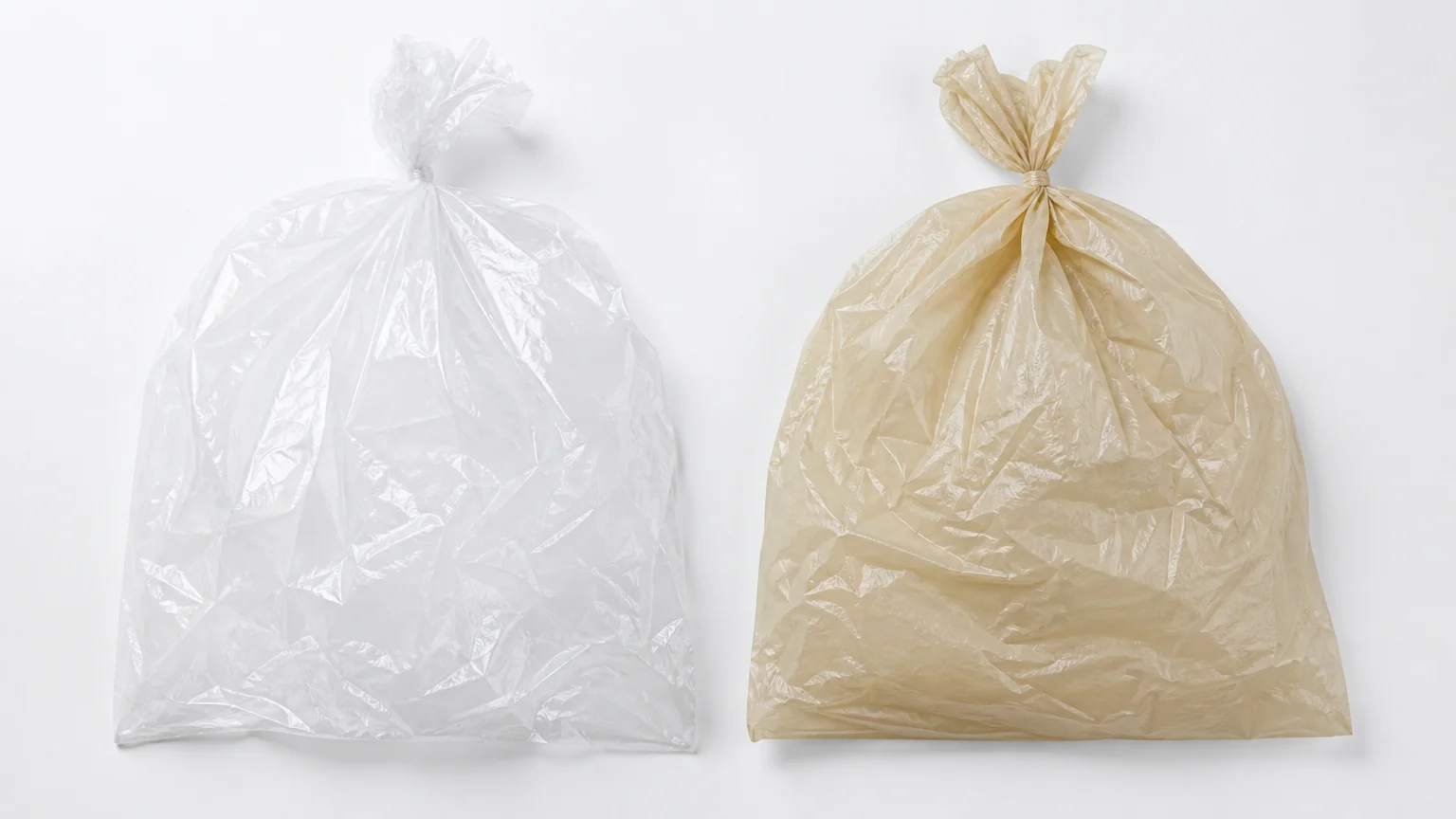
Many buyers confuse the word "compostable" with "biodegradable." They sound similar, but they mean different things. A biodegradable bag will break down eventually, with no fixed time or end quality. A compostable bag must meet a standard that sets a clear deadline and a clean, soil-safe result. This gap is where most sourcing confusion starts.
Compostable vs Biodegradable: The Boundary Buyers Miss
The two terms are not interchangeable, and the difference matters for both regulators and end users. "Biodegradable" is a broad claim. It says a material can be broken down by microorganisms, but it sets no time limit and no required end state. In theory, almost anything is biodegradable given enough years.
"Compostable" is the stricter claim. A compostable bag must break down in a composting environment within a specific period, leave no toxic residue, and produce material that supports plant growth. It is a performance promise backed by a standard, not just a marketing word. For a clear technical reference on this distinction, see Wikipedia, Compostable plastic.
The practical risk for B2B buyers is the reverse: a bag labeled only "biodegradable" may sit in a landfill for decades and still release methane. If your buyers, retailers, or local rules expect a bag that turns into compost, the word "biodegradable" on its own will not protect your brand. Always confirm the underlying standard behind the claim.
What a Real Compostable Claim Rests On
A genuine compostable bag is tied to a named standard and a named test method. Common frameworks include the European EN 13432, the US ASTM D6400, and the Australian AS 4736 or AS 5810. Each one defines temperature, humidity, time, disintegration rate, and ecotoxicity limits. The bag either passes the test under those conditions or it does not.
This is why buyers should ask for the test report or certificate that names the standard, not just the logo. A supplier who can only say "eco-friendly" or "green" without a standard reference is not making a verifiable compostable claim. The Worldchamp bag line is backed by a third-party biodegradable test report rather than a compostable certification mark, which we explain in detail later in this guide.
Industrial vs Home Composting: Where the Bag Actually Goes
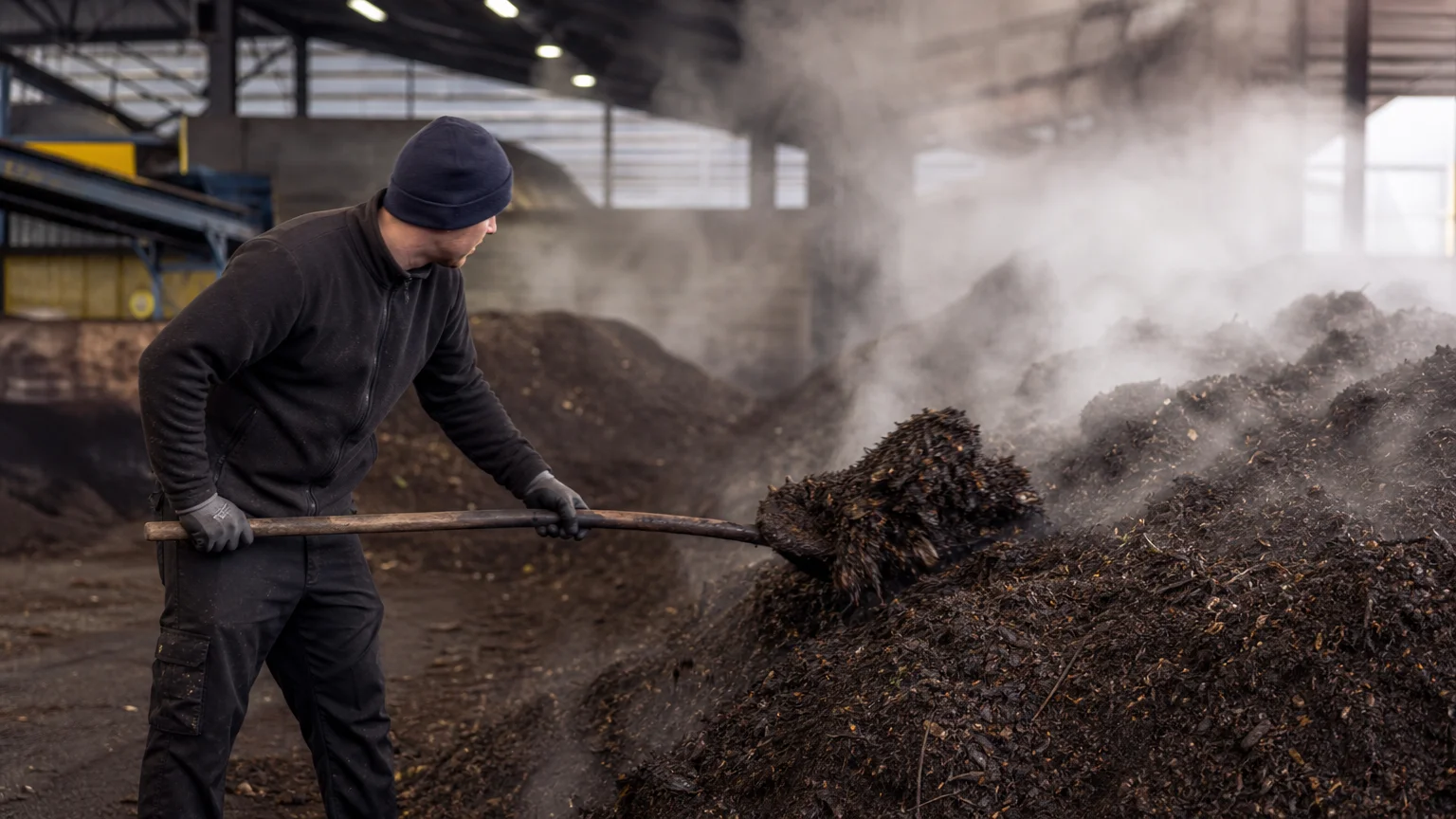
The single biggest reason a "compostable" bag fails to compost is the wrong disposal route. Most certified compostable bags are tested for industrial composting, which means temperatures of roughly 55 to 60 degrees Celsius, controlled moisture, and active aeration. A backyard compost bin rarely reaches those conditions, so the same bag can sit intact for months at home.
Industrial facilities also run managed microbial populations and turn the piles to keep oxygen high. That combination is what lets a compostable bag disintegrate within the standard's 12-week window. In a landfill, there is almost no oxygen, so even a compostable bag breaks down slowly and can release methane instead of clean compost.
Matching the Bag to the Available Infrastructure
Before you source, map where your bags will actually end up. If your buyers operate in a region with curbside organics collection and industrial composting, an industrial-compostable bag fits the system. If the end users are households with only a backyard bin, you need a home-compostable grade, or you need to set honest disposal expectations.
This infrastructure question drives the certification you should look for. Industrial composting aligns with EN 13432 or ASTM D6400. Home composting aligns with the stricter AS 5810 or the European OK Compost HOME mark. A bag certified only for industrial use is not a home-compostable bag, no matter how natural it looks. For background on the composting process itself, see Wikipedia, Compost.
| Disposal route | Typical condition | Bag grade that fits | Relevant standard |
|---|---|---|---|
| Industrial composting facility | 55–60 °C, aerated, managed | Industrial-compostable | EN 13432 / ASTM D6400 |
| Backyard home bin | Ambient, low and variable heat | Home-compostable | AS 5810 / OK Compost HOME |
| Landfill | Anaerobic, sealed | None compost effectively | Not applicable |
That table is the heart of the "are they really compostable" question. A bag is compostable in the environment it was tested for. Send it somewhere else and the claim stops working, even though the bag itself is unchanged.
Compliance Wording for Bags: Test Report, Not a Certificate
For bag products, the compliance picture is different from gloves, and buyers must read the wording carefully. Worldchamp holds DIN CERTCO, SEEDLING, and BPI compostable certifications, but those certificates name gloves as the product type. They do not extend to the bag range, and they should never be cited as "certified compostable bags."
What the bag line does carry is a third-party biodegradable plastic bag test report, Report No. WT20103211073930WT1, issued by the Shenzhen Academy of Metrology and Quality Inspection, a CNAS-accredited and CMA-certified laboratory. This is a test report, not a compostable certification mark. The correct sourcing wording is "third-party biodegradable test report," not "certified compostable."
That distinction protects you in three ways. First, it keeps your marketing legally accurate. Second, it sets honest expectations with importers who may face customs or retail audits. Third, it avoids the common trap of borrowing a glove certificate to cover a bag SKU, which auditors treat as a false claim. If your buyer needs a compostable certification mark on bags specifically, treat that as a separate development project with its own testing timeline.
Why wording matters: A test report shows a lab measured biodegradation of this exact bag under defined conditions. A certification mark shows a certification body granted ongoing rights to use a logo against a named standard. They are different proof levels, and B2B buyers should request the one that matches their claim.
How to Choose and Dispose of Compostable Bags
Selecting the right compostable bag comes down to three questions: what will it carry, where will it be disposed of, and what proof do you need on file. A garbage bag for wet organic waste needs tear strength and a industrial-compostable grade, because it is built to go straight to a composting site. A pet waste bag faces a messier disposal reality, since most pet waste should not enter a food compost stream.
Shopping and grocery bags live a double life. They carry goods home, then may be reused as bin liners. For these, a home-compostable grade gives the best chance of a clean end-of-life if reuse is not possible. Takeout and cup bags need grease resistance plus a clear disposal instruction printed for the end consumer, because the buyer rarely controls the final bin.
Disposal Guidance to Pass to End Users
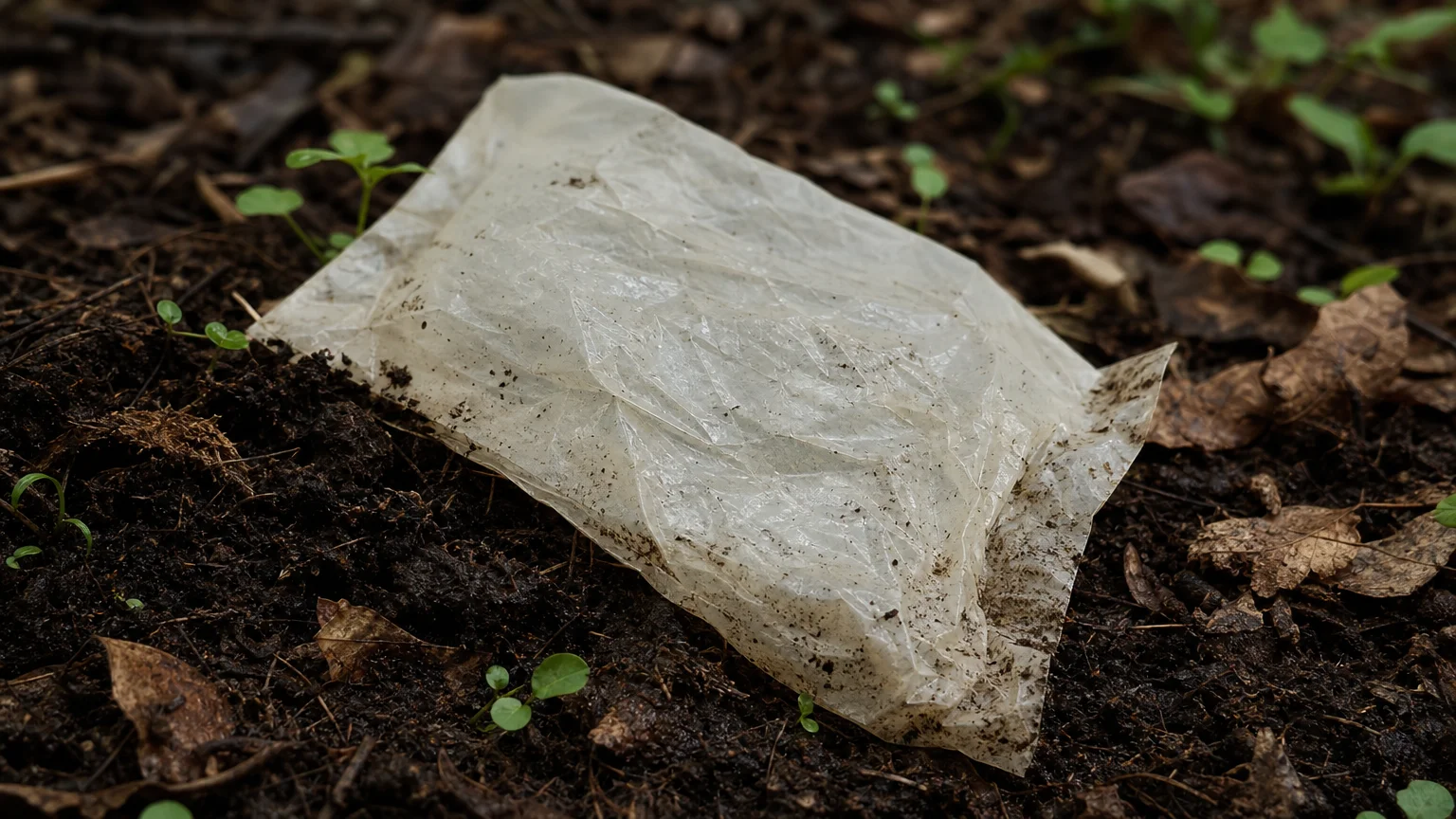
The bag is only half the job; the other half is telling people where it goes. Clear disposal guidance is what turns a compostable bag into actual compost. Without it, even a certified bag ends up in general waste and the environmental benefit is lost.
- Industrial-compostable bags belong in an organics or food-waste bin served by an industrial facility, not in regular trash.
- Home-compostable bags can go in a backyard bin, but only if that bin is actively managed and reaches enough heat.
- Pet waste bags should follow local pet-waste rules; many areas do not allow them in compost streams.
- Never assume a landfill will compost a compostable bag, because the lack of oxygen blocks the process.
If you want to match a specific bag format to your use case, our compostable bag range covers garbage, shopping, drawstring grocery, takeout cup, self-adhesive, and pet waste formats. Start from the compostable bags hub and narrow by format.
Worldchamp Manufacturing Context for Bag Buyers
OEM and private-label support covers custom sizes, thicknesses, and printed disposal instructions, which matter for compostable bags because end-user guidance drives real-world composting outcomes. If you need a specific format, the compostable garbage bags, compostable shopping bags, and compostable specialty bags collections are good entry points.
Procurement Action Checklist
Use this checklist to turn the "are they really compostable" question into a repeatable sourcing step. Each item ties back to a decision that protects your claim and your buyer relationship.
- Define the disposal route first — confirm whether your bags will reach industrial composting, a home bin, or an unclear path before choosing a grade.
- Request the named standard — ask for EN 13432, ASTM D6400, AS 5810, or equivalent, with the test report that backs it.
- Check the proof matches the product — make sure the report or certificate names bags, not a different product type like gloves.
- Lock in disposal wording — have the bag or its packaging carry clear instructions so end users send it to the right stream.
Following these four steps prevents the most common failure mode: buying a genuinely compostable bag that never actually composts because the disposal route and the claim were mismatched. When you are ready to specify formats and request samples, Contact Worldchamp with your target market and disposal setup.
Frequently Asked Questions
Are compostable bags really compostable?
Yes, when they carry a verified compostable claim and reach the composting environment they were tested for. A certified compostable bag breaks down into water, carbon dioxide, and biomass within a set time frame. If it goes to a landfill or the wrong bin, it will not compost as intended.
What is the difference between biodegradable and compostable bags?
Biodegradable means a material will break down eventually, with no fixed time or required end quality. Compostable is stricter: the bag must break down within a defined period, leave no toxic residue, and yield material that supports plant growth. Compostable is always tied to a named standard.
How long do compostable bags take to decompose?
In an industrial composting facility, a certified compostable bag typically disintegrates within about 12 weeks under the standard's conditions. In a home bin the process is slower and depends on heat and management. In a landfill, breakdown is very slow because there is little oxygen.
Can compostable bags go in a home compost bin?
Only if the bag is certified for home composting, such as AS 5810 or OK Compost HOME. Bags certified only for industrial composting, like EN 13432 or ASTM D6400, may not break down properly in a backyard bin because home piles rarely reach the needed temperature.
Does Worldchamp hold a compostable certificate for bags?
Worldchamp's bag range is backed by a third-party biodegradable plastic bag test report (Report No. WT20103211073930WT1), not a compostable certification mark. Our DIN CERTCO, SEEDLING, and BPI certificates name gloves only and do not cover bags. The correct wording for bags is "third-party biodegradable test report."
Turn the comparison into a sample and document brief
Share the application, market, quantity, pack format and scope of supporting documents. Worldchamp can then respond against a defined product rather than a generic material request.