Entry / mid / premium tiers
Assign materials and pack formats to clear price, feel or use positions.
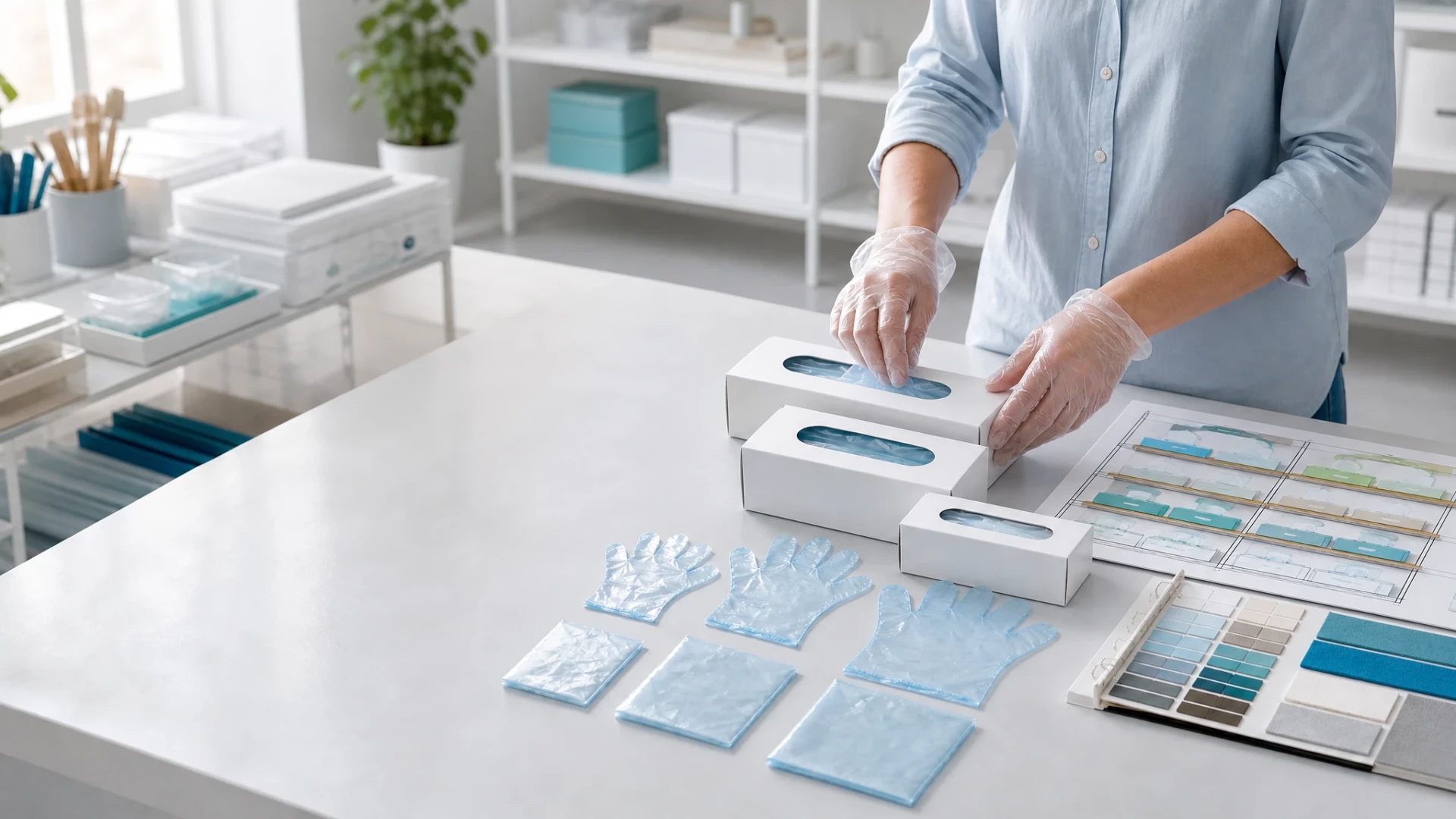
Application workflow for retail glove teams
Translate category strategy into distinct glove SKUs, shelf-ready packaging, compliance review and a controlled repeat-production file.
This workflow is for retailers and brand teams making assortment decisions—not only choosing a factory or adding a logo to a generic box.
Program scope
Retail teams need every SKU to have a clear role, visual distinction and replenishment logic. The program starts by deciding what each material, size or count contributes.
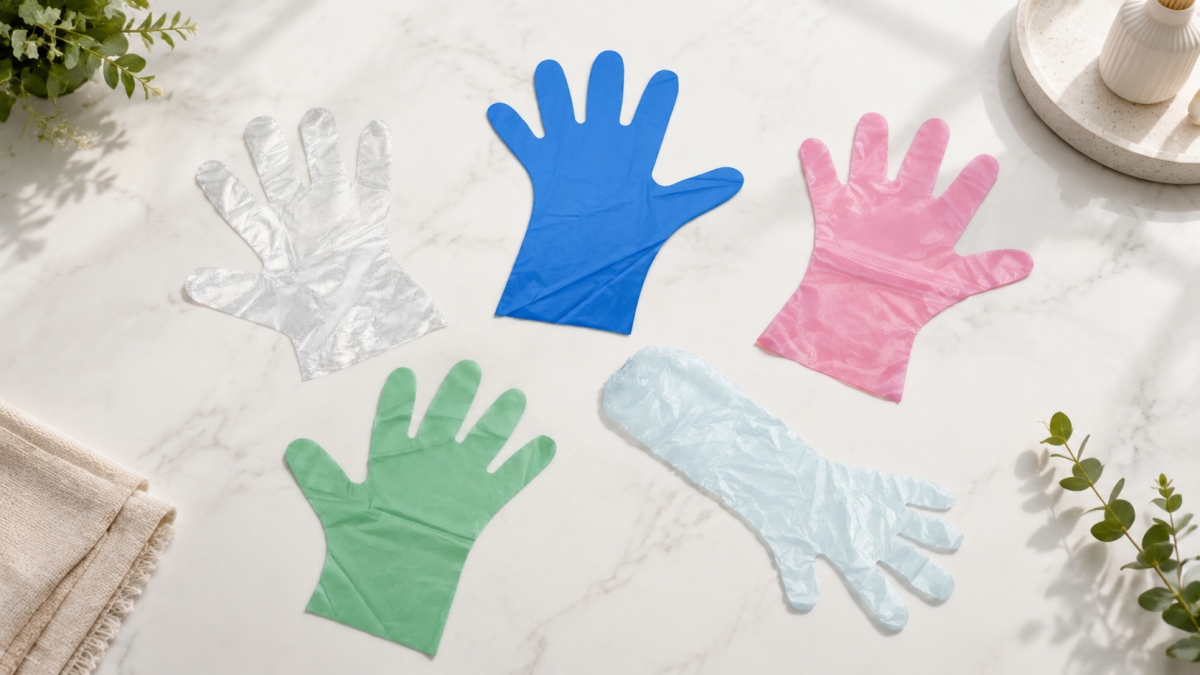
Assign materials and pack formats to clear price, feel or use positions.
Align box footprint, count, barcode and case quantity with shelf and warehouse constraints.
Keep controlled artwork, specifications and golden samples linked to one stable SKU code.
Procurement teams may describe the need as “private label disposable gloves retail,” “custom glove packaging for retailers,” or a “retail glove sourcing program.” All three require the same controlled link between assortment, physical sample, printed pack and reorder file.
Decision risks
These likely problems are easier to correct during the brief and sample stages than after printed packaging is released.
An assortment without hierarchy creates buyer confusion and spreads initial volume across too many SKUs.
Resolve this at brief stage, then record the accepted boundary in the sample and approval file.
Artwork created before product and count approval causes rework and claim mismatches.
Files, samples and carton marks can drift when there is no controlled approval record.
Assortment board
A compact range is easier to explain, test and replenish than a shelf full of near-duplicates.
Food handling, cleaning, beauty, general utility or another defined use
Cost, feel, donning, coverage and alternative-material positioning
Count, dispenser action, shelf footprint and price point
Color, naming, language and hierarchy that distinguish each SKU
Recommended routes
Each product page defines the physical decisions that must be sampled before branding or commercial approval.

Lightweight route for frequent changes and high-count retail packs.
Review product details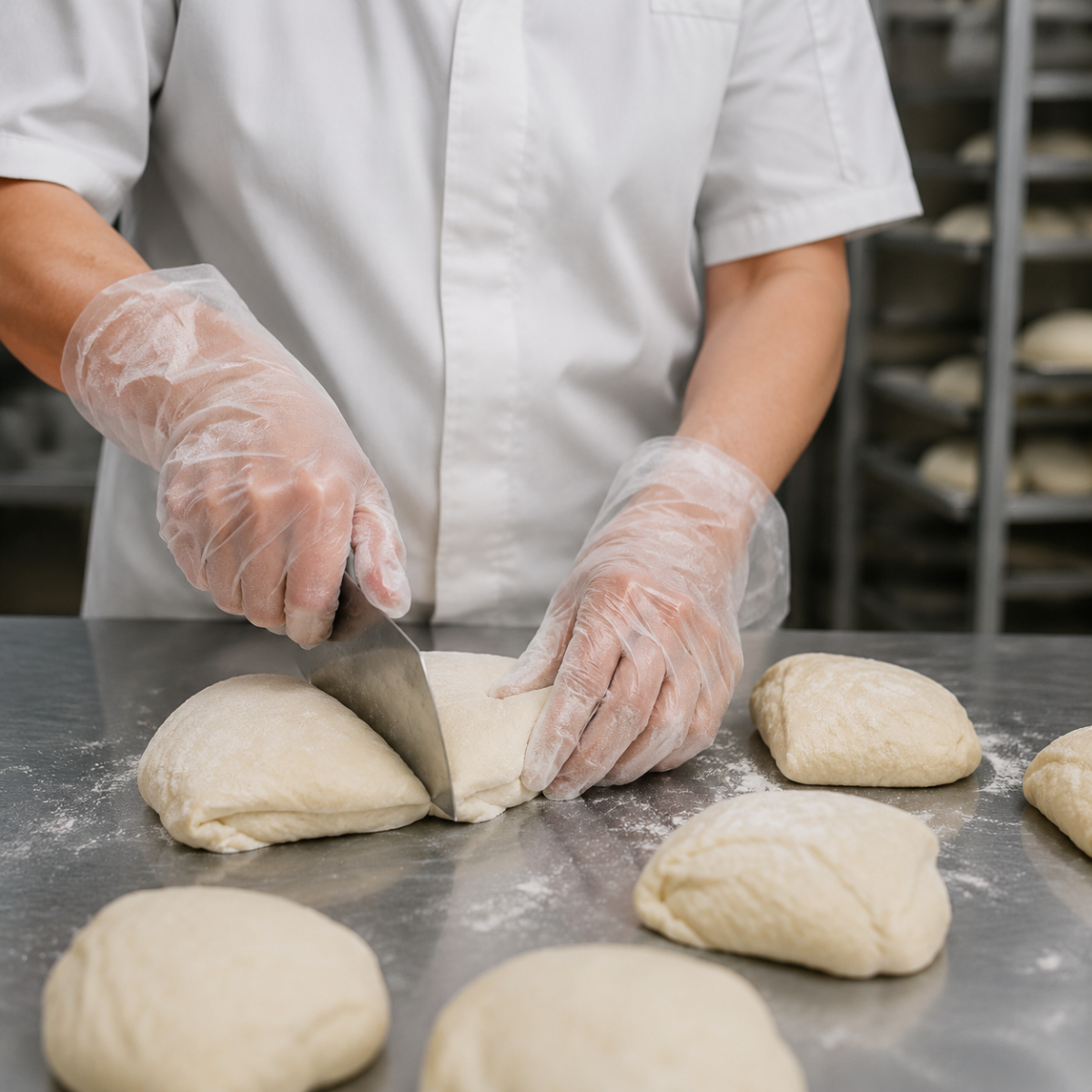
More structured hand feel and easier opening for selected general-use programs.
Review product details
A differentiated tactile route for a higher retail tier.
Review product detailsRelated program entries
These routes cover the adjacent packaging, first-order and broader OEM decisions.
Develop the dispenser box, languages, barcode, carton and evidence file around the approved assortment.
Open this program 02Test candidate materials and validate one lead SKU before expanding the range.
Open this program 03Connect the retail program to broader product development and factory qualification.
Open this program 04Compare how a claim-sensitive branded bag program is controlled.
Open this programBuyer questions
The exact answer still depends on the SKU, destination and approved commercial brief.
Start with the fewest SKUs that create meaningful shopper choices. One lead material plus a clearly differentiated alternative is often easier to validate than many near-duplicates.
Begin the visual system early, but finalize claims, dimensions, count and legal copy only after the physical product and packaging format are confirmed.
Product samples and packaging proofs can be coordinated so the team can review dispensing, shelf presence and information hierarchy together.
Use stable SKU codes, approved specifications, dated artwork, golden samples, carton records and agreed inspection checkpoints.
We use necessary cookies to operate this site and optional cookies to improve your experience.