Procurement decision guide
CPE vs PE Disposable Gloves: Buyer Comparison
Compare CPE and PE disposable gloves by material terminology, construction, fit, finished-sample behavior, packaging and product evidence.
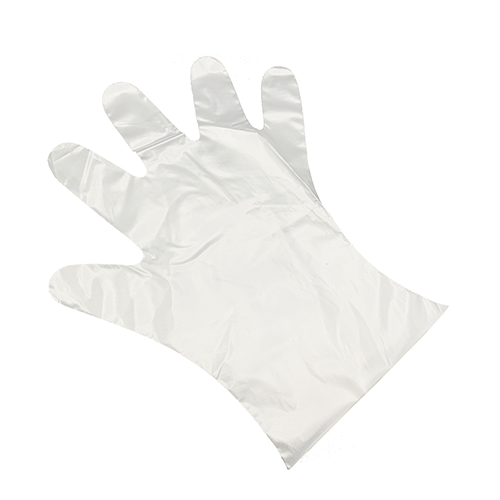
This page is part of the disposable products buyer guide library, where material, application and procurement decisions are separated to prevent one guide from replacing another.
Define the difference between CPE and PE disposable gloves decision before comparing prices
A useful difference between CPE and PE disposable gloves review begins with one written decision: whether CPE disposable gloves or HDPE or LDPE disposable gloves better supports cast-film fit and response versus the specific standard PE glove construction being sourced. The material or format name alone cannot answer that question because finished dimensions, film construction, cuff or opening geometry, texture and packaging can change the user experience. Ask suppliers to identify the exact finished products being compared, not only broad resin or garment families.
Write the operating conditions before requesting samples. Record named resin or compound, glove dimensions, film construction, texture, cuff, task, pack and destination evidence. If those inputs change between samples, the trial no longer isolates the product difference. This discipline also prevents a low unit price from hiding slower donning, excess waste, poor pack access or a mismatch between the product and its documents.
The comparison should end in an approved specification, sample reference and document set. It should not end with a generic statement that one option is always better. Purchasing, quality and operations should be able to see why the selected product fits the named task and which conditions would trigger a new review.
- Name the two exact finished products: CPE disposable gloves and HDPE or LDPE disposable gloves.
- Keep these conditions constant: named resin or compound, glove dimensions, film construction, texture, cuff, task, pack and destination evidence.
- Use representative operators, containers, garments or workstations.
- Record failures and trade-offs, not only preferences.
- Approve product, pack and evidence as one controlled version.
Compare finished samples under the same conditions
Run CPE disposable gloves and HDPE or LDPE disposable gloves through the same sequence. Start with pack opening and access, continue through donning or setup, perform the real movement, then observe removal and disposal. Repetition matters: a sample that works once may behave differently after dozens of changes, when the pack is nearly empty, or when operators have different hand sizes and work rhythms.
Use a simple observation sheet. Note opening failures, extra contact with neighboring units, bunching, slipping, restricted movement, tears, garment overlap, and any point where an operator changes technique to compensate for the product. These are operational observations, not laboratory performance claims, but they help the buyer decide which samples deserve formal approval.
Keep claims separate from observations. A worker preference does not establish food-contact compliance, chemical resistance, puncture resistance, medical classification or compostability. Those questions require the applicable finished-product evidence and must be reviewed against the destination and intended use.
| Decision point | CPE disposable gloves | HDPE or LDPE disposable gloves | Buyer action |
|---|---|---|---|
| Term scope | A specified chlorinated polyethylene glove construction | May mean HDPE, LDPE or another PE glove | Name the exact finished products |
| Fit and feel | Depends on compound, dimensions and film process | Depends on resin route, dimensions and film process | Compare samples, not category labels |
| Texture and cuff | Must be confirmed on the CPE sample | Must be confirmed on the selected PE sample | Record both in the specification |
| Documents | Must identify or cover the proposed CPE SKU | Must identify or cover the proposed PE SKU | Do not transfer a report by material name |
Control packaging, dispensing and change workflow
Packaging affects the task long before the product is worn or used. A bag, carton, folded stack, pair pack or individual wrap changes storage, access, counting, contamination exposure and refill labor. Specify the full hierarchy from unit or pair through inner pack and shipping carton, including approved labels and any confirmed barcode requirements.
Test the pack at the real issue point. Check reach, opening direction, whether several units pull out together, what happens when the count is low, and how staff refill without placing dirty outer packaging in a clean area. If a holder or dispenser is involved, test the exact pack dimensions rather than assuming compatibility from a photograph.
Use change frequency and consumption data to plan replenishment. A slightly different pack may reduce handling or waste, but only the actual trial can show this. Never invent pack counts, printing methods, lead times, minimum order quantities or compatibility; leave unconfirmed fields as questions for the supplier.
- Photograph and identify the approved finished sample.
- Record unit, inner-pack and carton construction.
- Test access at full, half and low pack count.
- Define clean storage and refill responsibility.
- Freeze label language, approved claims and revision number.
Review evidence and keep claims inside their scope
The main claim boundary for this page is clear: Never present CPE as separate from the PE family in a chemically absolute way, and never treat all PE gloves as one specification. A product name, color, film appearance or longer dimension is not proof of regulatory status or protection performance. Ask for current records for the exact SKU and compare product identity, material or formulation, construction, destination and stated use.
For food-contact work, record the food type, temperature and contact duration before reviewing migration or declaration records. For PPE-related decisions, begin with the hazard assessment and intended body coverage. For environmental claims, verify the finished item, certification scope, mark-use conditions and receiving system. These evidence paths are different and should never be substituted for one another.
Where the available evidence does not answer the buyer’s question, narrow the claim or request further documentation. The correct commercial response is not to fill the gap with a broad assurance. Keep the inquiry open until the supplier can identify the product, test or certificate that actually covers the proposed order.
- Match every report or certificate to the proposed finished SKU.
- Check destination, use conditions and document validity.
- Separate management-system, audit and product-test evidence.
- Do not extend glove evidence to bags or one formulation to another.
- Write exclusions directly into the approval record.
Build an RFQ that can produce a comparable quotation
A useful RFQ for difference between CPE and PE disposable gloves gives suppliers the same inputs. Include the task, user group, dimensions, color, pack, planned quantity, destination and records required for approval. State whether the buyer wants a material comparison, a replacement for an incumbent specification, or a custom/private-label program. Different objectives require different sample and artwork steps.
Ask the supplier to mark each response as standard, optional, subject to confirmation or unavailable. This prevents a requested feature from being mistaken for a current capability. When a sample is supplied, connect it to a revision, packing sample and written specification so that purchasing can refer back to the exact approved version.
Before the order, resolve every mismatch between quotation, sample, artwork and documents. After the order, use incoming inspection and repeat-order change control to protect the approved version. This is more reliable than relying on category names, sales descriptions or unrecorded conversations.
- Task, contact conditions and use duration
- Finished dimensions, construction, color and size mix
- Unit pack, inner pack, carton and label requirements
- Sample quantity and approval method
- Destination market and required product records
- Change-control and repeat-order reference
Authority references and document boundary
These sources explain general food, contact-material, PPE or composting context. They do not certify a Worldchamp product; product claims must remain tied to current finished-SKU evidence.
Frequently asked questions
Is CPE disposable gloves always better than HDPE or LDPE disposable gloves?
No. The decision depends on the exact finished products, task, movement, use duration, pack and evidence. Compare samples under the same written conditions.
Can a material or product-family name prove compliance?
No. Compliance and suitability depend on the finished SKU, destination and intended conditions. Review current product-specific records.
What should be frozen after sample approval?
Freeze the finished dimensions, construction, color or size, pack hierarchy, approved artwork, sample reference and applicable evidence.
What information should the buyer send with the inquiry?
Send the task, named resin or compound, glove dimensions, film construction, texture, cuff, task, pack and destination evidence, expected quantity, destination and required records so the supplier can identify a realistic candidate.
Discuss the exact task and sample
Send the task, dimensions, contact conditions, size mix, pack requirements and destination market. We can identify relevant product families and the records available for the proposed SKU.
Request a sourcing review