Single-Use Plastic vs Compostable: The Short Answer
Single-use plastic bags are made from polyethylene (PE). They are cheap, strong, and stable for years. Compostable bags are made from plant-based biopolymers such as PLA and PBAT. They cost more but break down into compost under the right conditions. Neither is universally "better."
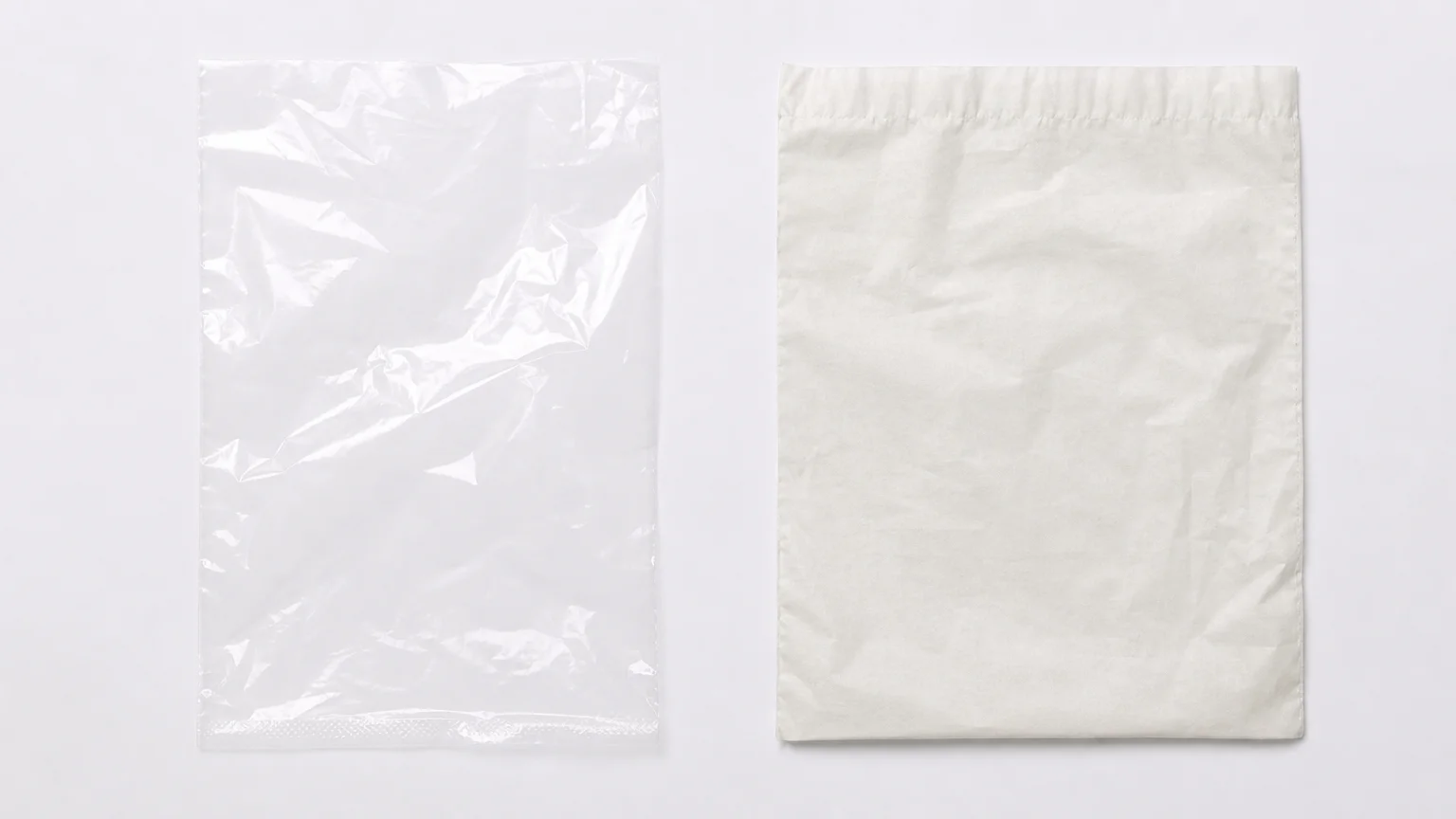
The right choice depends on where the bag goes after use, what your market accepts, and what documentation your buyer needs. PE wins on cost and supply stability. Compostable wins on end-of-life story in markets with composting access. For most B2B buyers, the goal is not to switch everything. It is to match the right material to the right line.
What Each Material Actually Is
Single-use plastic bags are films blown from polyethylene resin. The most common grades are HDPE (the thin, crinkly T-shirt bag) and LDPE (the softer, stretchier bag). PE is a fossil-based polymer. It is stable, waterproof, and cheap to convert at scale. Learn more about the base resin from Wikipedia, Polyethylene.
Compostable bags are films blown from biopolymer blends. The two main building blocks are PLA (polylactic acid, derived from corn or sugarcane) and PBAT (a fossil-based but biodegradable copolymer that adds flexibility). Together they form a film that microbes can digest in a composting environment. Read the background on Wikipedia, Bioplastic and Wikipedia, Polylactic acid.
The One Word That Causes Most Confusion
Buyers often mix up three terms: biodegradable, compostable, and oxo-degradable. They are not the same. A biodegradable polymer will break down through microbial action over an indefinite time. A compostable bag breaks down on a known schedule and leaves usable compost. An oxo-degradable bag just fragments into microplastics. Only the compostable grade has a verifiable end-of-life outcome. See the distinction on Wikipedia, Compostable.
Single Use Plastic vs Compostable: Buyer Guide
This guide compares PE and compostable bags across five dimensions a B2B buyer actually controls: material and structure, full life cycle, cost, certification and documentation, and the procurement decision framework. It does not re-litigate the environmental debate. It gives you the data to specify a line and qualify a supplier.
Key Factors to Compare
1. Material Structure and Strength
PE film has high tensile strength and puncture resistance for its weight. A 15-micron HDPE T-shirt bag can carry several kilograms of groceries. Compostable film needs to be thicker to match that load. A compostable bag of similar strength often runs 40–60 microns. That extra thickness is normal, not a defect.
Compostable film also has a shorter shelf life. PLA-based films can become brittle after 10–12 months in storage, especially in heat. PE film stays stable for years. If your line has slow turnover or long transit, plan storage conditions for compostable stock.
2. Full Life Cycle: Where Each Bag Ends Up
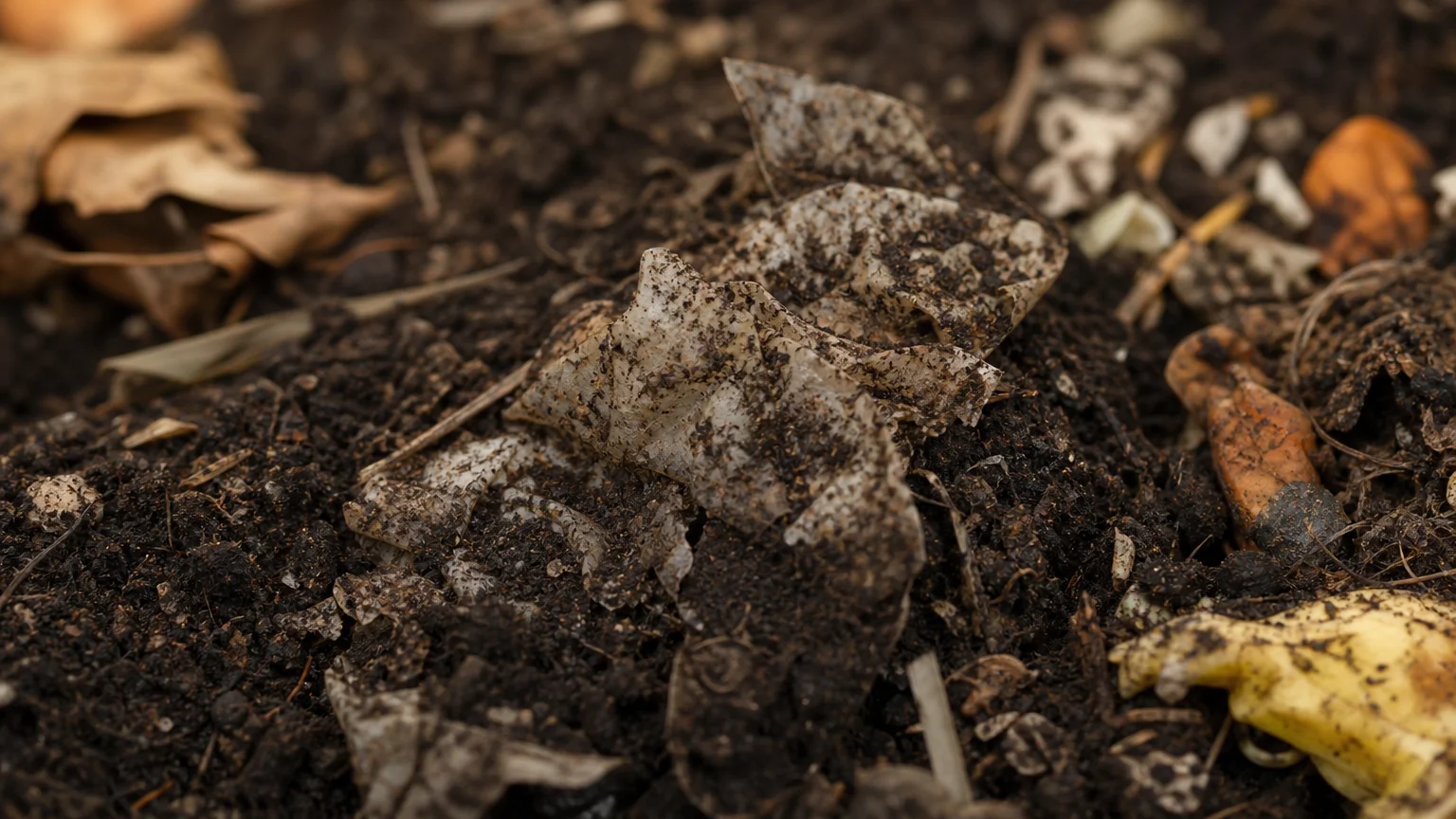
Life cycle thinking matters more than the label on the bag. A PE bag used once and landfilled is a long-term waste problem. A compostable bag used once and landfilled may release methane and still not break down. The material only delivers its promise if the disposal route matches.
PE bags fit markets with recycling or waste-to-energy infrastructure. Compostable bags fit markets with access to industrial composting facilities. If your destination city has no compost collection, a compostable bag often performs no better than PE in practice. This is the single most overlooked factor in procurement.
3. Cost per Unit
PE resin is mature and high-volume, so PE bags cost less per unit. Compostable resin is newer and lower-volume, so compostable bags run roughly two to four times the PE price for a comparable bag. The gap narrows as biopolymer capacity grows, but it remains real today.
Cost is not just the bag price. Add the cost of thicker film, shorter shelf life, and separate SKU management. For a low-margin retail line, PE often remains the rational default. For a premium eco-branded line, compostable carries a margin buyers will pay.
4. Certification and Documentation
PE bags rely on material compliance reports. Worldchamp's PE bag range carries a PE Bags Inspection Report and PE Products REACH (EU) Inspection Report for the EU market. These are harmful-substance reports, not food-contact migration tests.
Compostable bags rely on a different evidence type. The Worldchamp compostable bag range carries a third-party biodegradable test report (Report No. WT20103211073930WT1) from the Shenzhen Academy of Metrology and Quality Inspection, a CNAS-accredited and CMA-certified lab. This is a test report, not a certification mark. If your buyer demands a registered mark such as BPI or DIN CERTCO, request it explicitly, because the bag line and the glove line carry different evidence types.
A common mistake is to assume one compostable document covers all product types. It does not. Worldchamp's DIN CERTCO, SEEDLING, and BPI compostable certificates apply to the glove line only, not to bags. Always confirm which document matches your exact SKU before you commit.
5. Supply Stability and Lead Time
PE resin supply is deep and global. Lead times for PE bags stay predictable. Compostable resin supply is more concentrated among a few producers, so price and availability can swing. For large or time-sensitive orders, ask your supplier about resin sourcing depth and backup suppliers before you commit to a compostable-only line.
Single-Use Plastic vs Compostable at a Glance
| Factor | Single-Use Plastic (PE) Bag | Compostable Bag |
|---|---|---|
| Base material | Polyethylene (HDPE / LDPE) | Biopolymer blend (PLA + PBAT) |
| Typical thickness | 10–25 microns | 40–60 microns |
| Shelf life | Years | ~10–12 months |
| End-of-life match | Recycling, waste-to-energy, landfill | Industrial composting |
| Relative cost | Lowest | ~2–4x PE |
| Evidence type | Material compliance / REACH report | Biodegradable test report |
| Best buyer fit | High-volume, cost-sensitive retail | Premium eco-brand, markets with compost access |
When Should You Choose Single-Use Plastic?
- High-volume, low-margin retail — grocery T-shirt bags, produce rolls, where unit cost drives the deal.
- Long or uncertain shelf life — stock that sits in distribution or transit for many months.
- No composting infrastructure at destination — the compostable promise would not be honored anyway.
- Recycling or waste-to-energy routes available — PE fits those disposal streams cleanly.
For these cases, PE bags from the compostable bags hub sibling lines or a standard PE PE Garbage Bag remain the sound choice.
When Should You Choose Compostable?
- Premium eco-branded lines — buyers pay a margin for a credible end-of-life story.
- Destination market has compost collection — the bag can actually reach an industrial facility.
- Buyer mandates a compostable claim — tender, retailer, or regulation requires it.
- Short shelf-life, fast turnover — the film will sell before brittleness sets in.
Match the bag to the route. A Compostable Garbage Bag suits organic-waste collection. A Compostable Shopping Bag fits retail. A Compostable Takeout Cup Bag serves food delivery.
Worldchamp Manufacturing Context
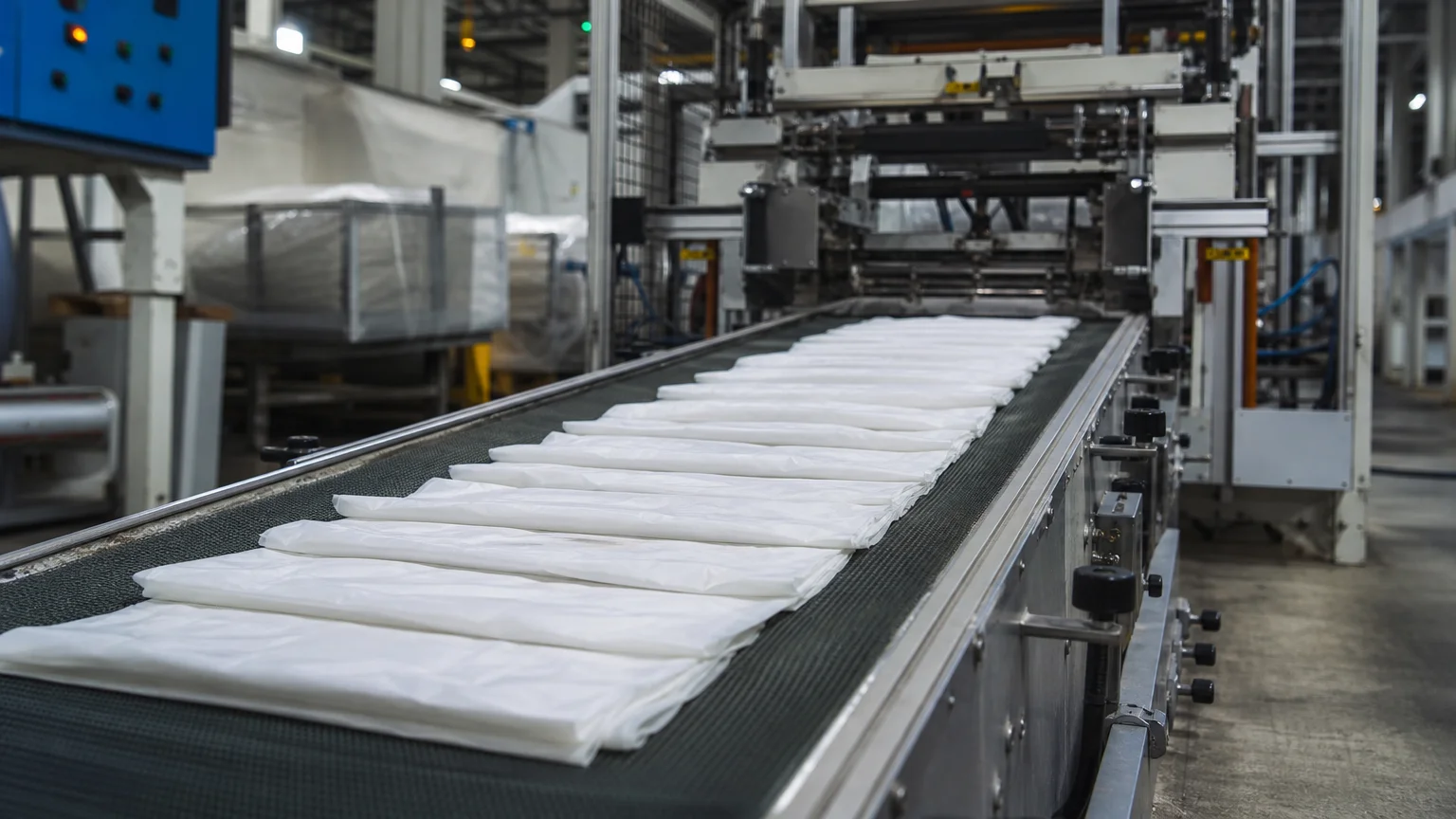
Worldchamp runs a 12,000 m² facility in Huizhou, China, with a Class 100,000 clean workshop and automated film lines. Monthly capacity reaches 350 tons, with a defect rate held below 0.1% (published reference; scope to be confirmed). Each batch is retained for traceability. This applies to both PE and compostable production.
Procurement Action Checklist
- Confirm the disposal route first — know whether the destination has industrial composting before specifying compostable.
- Match the evidence type to your buyer — test report for compostable claims, REACH for PE into the EU.
- Request the document that names your exact SKU — never accept a glove certificate for a bag line.
Frequently Asked Questions
Is compostable better than single-use plastic?
It depends on where the bag ends up. Compostable is better when an industrial composting facility handles the bag. Single-use plastic can be better when the destination has recycling or waste-to-energy but no composting. The label alone does not decide the outcome. The disposal route does.
How long do compostable bags take to break down?
In an industrial composting facility, a certified compostable bag typically breaks down within about 90–180 days under controlled heat and moisture. In a landfill or cold home bin, it can take far longer and may not break down at all. The timeline assumes the right composting environment, not just time.
Are Worldchamp compostable bags certified?
Worldchamp's compostable bag range carries a third-party biodegradable test report (Report No. WT20103211073930WT1) from a CNAS-accredited lab. This is a test report, not a registered certification mark. The DIN CERTCO, SEEDLING, and BPI compostable certificates held by Worldchamp apply to the glove line only, not to bags. Ask for the document that matches your exact product.
Can compostable bags go in a home compost bin?
Most industrial-grade compostable bags need the high heat of a commercial facility. A home compost bin rarely reaches those temperatures, so breakdown is slow or incomplete. If home composting is your goal, confirm the specific grade is rated for home composting before you order.
What MOQ and lead time should I plan for bag orders?
Pre-production sample timing is approximately seven days as a reference. Confirm the current sample and bulk-production schedule after the specification, packaging, artwork, and sample are approved, and state in writing whether the schedule starts from deposit, sample approval, or final artwork approval.
Put this guide into a procurement workflow
Use the decision criteria above to narrow the product scope, then Compostable Garbage Bags Bulk Supplier, Compostable Shopping Bags Wholesale Supplier, and Compostable Specialty Bag Sourcing. Compare the exact construction and pack instead of approving a material name alone.
When the product direction is clear, discuss the specification with Worldchamp. Share the task, destination, quantity, packaging and evidence requirements so the next review is specific.
Turn the comparison into a sample and document brief
Share the application, market, quantity, pack format and scope of supporting documents. Worldchamp can then respond against a defined product rather than a generic material request.